The Field Guide to Understanding Human Error — Sidney Dekker
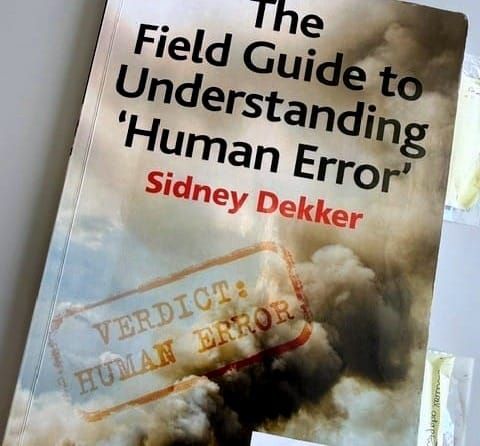
Ashgate, 2006 — Third edition Routledge, 2014
What it is: A foundational text in human factors and safety science that fundamentally reframes how we think about error, blame, and learning in complex systems. Dekker introduces what he calls the "new view" of human error — a shift away from finding fault and toward understanding the conditions that made a particular action or decision make sense to the people involved at the time.
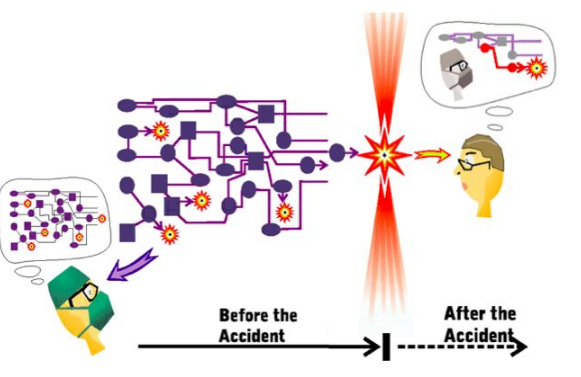
Why it matters: The traditional view of human error — that accidents happen because someone was careless, negligent, or insufficiently trained — is not just unhelpful. Dekker argues it is actively dangerous, because it stops organisations from understanding what actually went wrong. When we label an incident "human error" and move on, we have explained nothing. We have simply given the complexity a name and closed the file. His new view shifts the focus from who caused the error to why it made sense to the people involved at the time — and that shift changes everything about how you investigate, debrief, and learn.
Medicine, in particular, remains heavily influenced by the traditional safety research that shaped the early patient safety movement — root cause analysis, human error taxonomies, barrier models. These tools are not without value, but they carry assumptions about failure that Dekker systematically dismantles. Reading this book is, in many ways, a look behind the labels — behind "root cause," behind "human error," behind "safety barrier" — to see what is actually there.
Why I recommend it: This book was my main introduction to the Master's programme in Human Factors and System Safety — and it opened a new world. Not just a new field, but a new language. What struck me most was not that the ideas were foreign. It was the opposite. It felt like finding vocabulary for things I had been experiencing for years in clinical work but had never been able to name. Pieces I had always sensed were missing suddenly had words. Concepts I had struggled to articulate in debriefs and incident reviews became clear and precise.
In medicine we are still, in many ways, traditional in how we think about safety. We look for the root cause. We identify the human error. We build another barrier. Dekker made me question all of that — not to dismiss it, but to look more carefully at what those frameworks reveal and, more importantly, what they obscure.
This book lives in my bag. I keep coming back to it — not because I forget what it says, but because each return surfaces something new depending on where I am in my thinking. If you work in medicine, aviation, or any safety-critical environment, it will permanently change how you conduct debriefs, how you read incident reports, and how you think about your own mistakes. It is the single most practically useful book I have encountered in the human factors space.
One practical note: the book is full of clear, well-constructed illustrations that make the core ideas interpretable without requiring a background in human factors or safety science. You do not need to be an academic to follow the argument — you just need to be willing to sit with ideas that may initially feel uncomfortable.
Best for: Clinicians, patient safety leads, debrief facilitators, educators, and anyone involved in incident investigation or quality improvement. Particularly valuable for anyone who has ever felt that the debrief or incident review process in their organisation is missing something — but couldn't quite say what.
Difficulty: Moderate — the writing is accessible and Dekker is a gifted communicator, but some of the conceptual shifts require time and reflection. This is not a book to rush. Read a chapter, put it down, think about a case you have been involved in, and come back. The ideas land differently when they have something real to attach to. Worth every bit of the effort.